A jaw crusher flywheel plays a crucial role in the operation of a jaw crusher. It is an essential component that helps maintain smooth operation and energy efficiency. In this article, we’ll explore the purpose of the flywheel, how it works, and some maintenance tips to ensure its longevity.
What is a Jaw Crusher Flywheel?
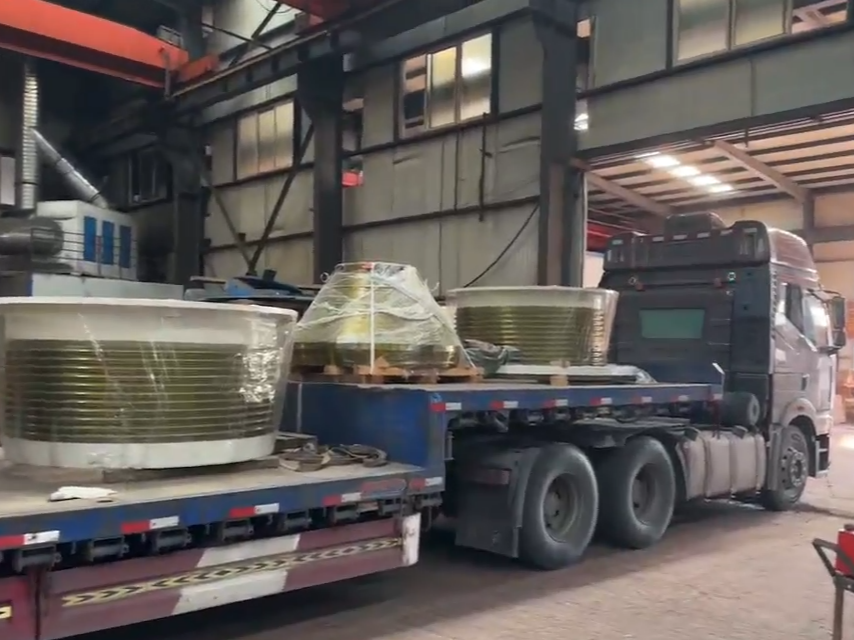
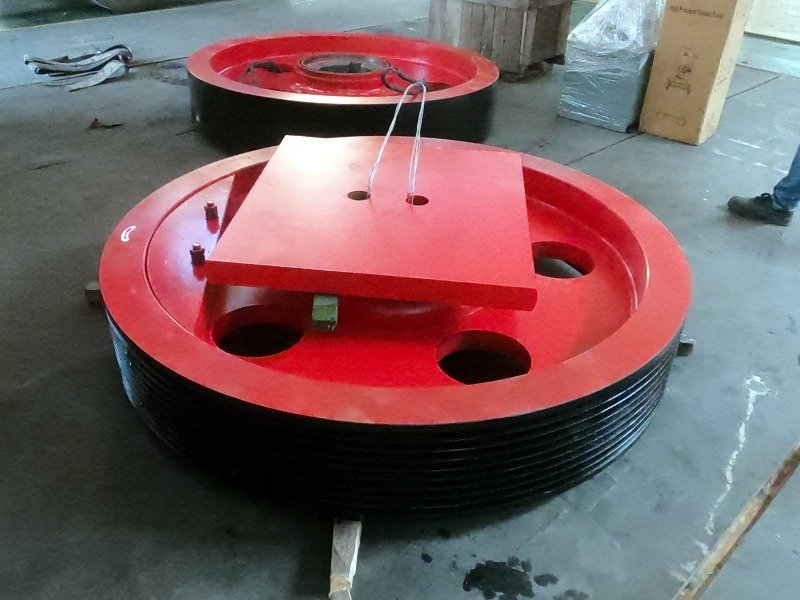
The flywheel is a heavy, rotating disk that is used to store energy and smooth out the operation of a jaw crusher. It helps the machine maintain a constant speed during its cycles, even as the crushing load fluctuates. The flywheel is typically located on the opposite side of the motor and connects to the eccentric shaft, which is responsible for the jaw’s reciprocating motion.
How Does the Jaw Crusher Flywheel Work?
The flywheel works by storing energy during the compression stroke of the jaw crusher, then releasing it during the discharge stroke. This ensures the machine continues to operate smoothly, without jerks or interruptions. The flywheel also helps reduce the motor’s load by absorbing excess energy when the crusher is under heavy load.
Moreover, the flywheel helps counterbalance the forces created by the moving jaw, preventing undue stress on other components of the crusher, such as the bearings and eccentric shaft.
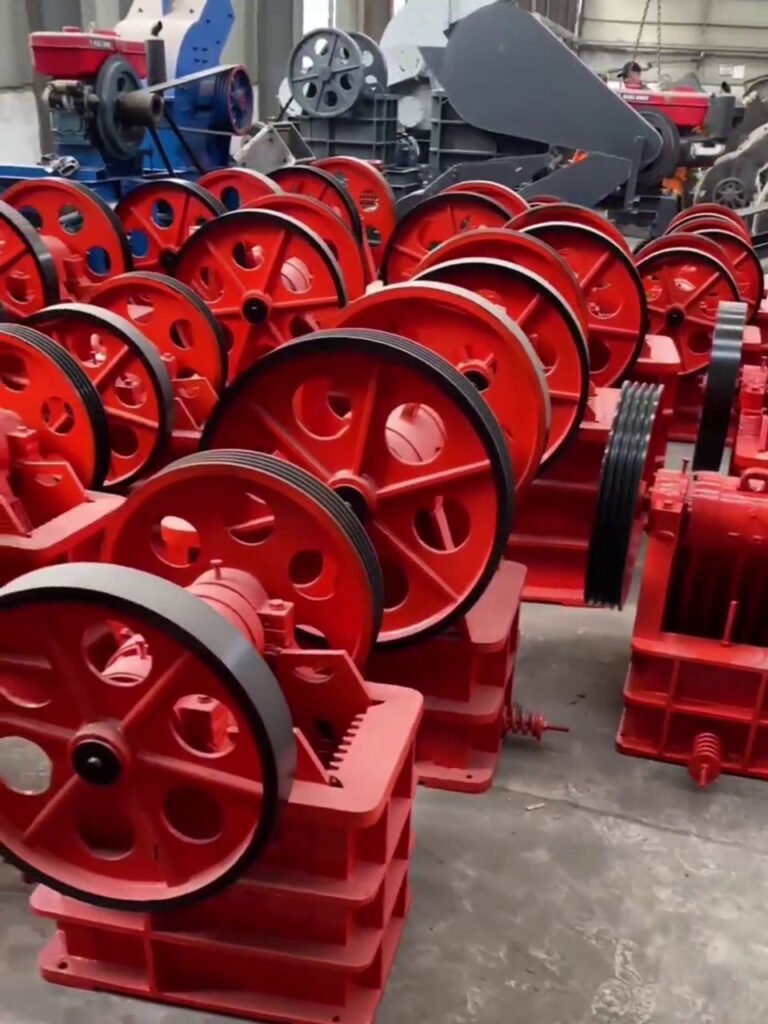
Key Functions of the Jaw Crusher Flywheel:
Energy Storage: The flywheel stores energy during the compression stroke and releases it to aid in the discharge stroke.
Smooth Operation: It helps in maintaining a consistent speed, preventing jerky movements that could damage the machine.
Counterbalance: It helps balance the forces generated during the operation of the jaw crusher, reducing stress on other components.
Reducing Motor Load: By absorbing excess energy, the flywheel reduces the load on the motor and helps improve the machine’s efficiency.
Maintenance Tips for Jaw Crusher Flywheel
To ensure that your jaw crusher flywheel continues to perform at its best, regular maintenance is essential. Here are some tips:
Check for Wear: Over time, the flywheel may experience wear and tear. Regularly check for cracks, chips, or other signs of damage. Any wear should be addressed immediately to prevent further damage to the crusher.
Lubrication: Proper lubrication of the flywheel and its connected components (such as the bearings) is vital to minimize friction and wear. Always follow the manufacturer’s guidelines for lubrication intervals and types of lubricant.
Tightening the Flywheel: Ensure that the flywheel is properly secured and not loose. A loose flywheel can cause uneven movements, leading to potential damage or inefficient operation.
Cleaning: Clean the flywheel regularly to remove dirt, debris, or any material that could interfere with its operation. Keeping the flywheel clean ensures optimal performance.
Monitor the Crankshaft and Bearings: The flywheel works in conjunction with the crankshaft and bearings. Ensure that these components are properly aligned and functioning smoothly to prevent strain on the flywheel.
The flywheel of a jaw crusher is an indispensable component that plays a pivotal role in ensuring smooth and efficient operation. By understanding its functions and maintaining it properly, you can extend the lifespan of your jaw crusher and avoid costly repairs or downtime.
If you are looking for high-quality jaw crusher parts, including flywheels, Metalore offers a wide range of reliable, high-performance replacement parts for various crusher brands. Contact us today for more information!