In industrial filtration projects, filter press plates are often purchased based on unit price. However, in mining and metallurgical operations, the real cost of filter press plates is determined over years of operation, not at the time of purchase.
This article analyzes where filter press plate costs actually come from and how operational decisions affect total ownership cost.
1. Purchase Price Is Only a Small Part of the Cost
The initial purchase price of filter press plates typically accounts for less than 30% of total lifecycle cost.
What is often overlooked:
Installation and commissioning time
Compatibility with existing frames and cloths
Production losses during replacement
A lower-priced plate that fails early often costs more than a higher-quality alternative.
2. Plate Thickness and Structural Design Affect Cost Directly
Thinner plates may look attractive due to lower price, but in high-pressure mining applications they often cause:
Faster deformation
Seal wear
Increased leakage
These issues lead to:
Higher maintenance frequency
Increased labor cost
More frequent cloth replacement
Over a 3–5 year period, reinforced plates often deliver lower cost per operating hour.
3. Downtime: The Largest Hidden Expense
In mining operations, unplanned downtime is the most expensive consequence of plate failure.
Typical impacts:
Lost production
Idle labor and equipment
Disrupted upstream and downstream processes
Even a single failed plate can force an entire press to shut down. When calculated per hour, downtime costs usually exceed the price of multiple replacement plates.
4. Partial Plate Replacement — A Cost Trap
Replacing only damaged plates instead of a full set seems economical, but often leads to:
Uneven pressure distribution
Inconsistent sealing
Accelerated wear on remaining plates
In many cases, partial replacement shortens the lifespan of the entire plate pack.
5. Energy Consumption and Cycle Time
Plate design influences:
Filtration cycle duration
Required hydraulic pressure
Compressed air or water consumption (for membrane systems)
Plates with poor drainage design increase cycle time, which:
Raises energy consumption
Reduces daily throughput
Over time, energy cost differences can exceed the original plate price.
6. Transport and Handling Costs
Larger and heavier plates increase:
Transportation cost
Installation labor
Risk of damage during handling
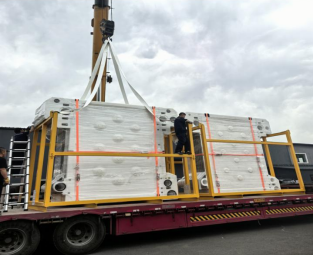
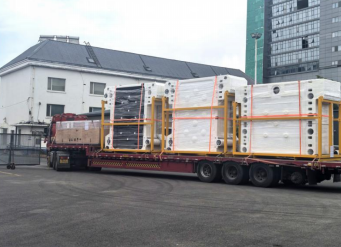
Lightweight, reinforced PP plates often provide the best balance between strength and logistics cost for overseas projects.
7. Plate Life Expectancy in Real Mining Conditions
Under proper operation:
Standard PP plates: 2–4 years
Reinforced PP plates: 4–7 years
Actual lifespan depends on abrasiveness, pressure stability, and maintenance discipline.
Choosing plates based on expected service life, not just purchase price, leads to more predictable budgeting.
Conclusion
Filter press plates should be evaluated as a long-term investment, not a consumable. Initial price, service life, downtime risk, and energy efficiency all contribute to total operating cost.
For mining and metallurgical operations, the lowest-priced plate is rarely the most economical choice.