Short liner life is one of the most common complaints in cone crusher operations. Many operators attribute rapid liner wear to “hard rock” or “poor liner quality,” but field experience shows that most premature liner failures are caused by operating conditions, setup errors, and process mismatches rather than the liners themselves.
This article explains the real, practical reasons behind short cone crusher liner life and how they affect wear patterns and operating cost.
1. Uneven Feed Distribution — The Number One Cause
Uneven feed is the most frequent and underestimated cause of short liner life.
What happens:
One side of the mantle and bowl liner wears faster
Localized high-impact zones appear
Liner life drops dramatically despite normal material hardness
Typical reasons:
Off-center feed chute
Missing or damaged feed distributor
Incorrect upstream conveyor alignment
Field reality:
A cone crusher must be fed centrally and evenly. Side feeding concentrates impact energy on limited liner areas, accelerating wear regardless of liner material.
2. Incorrect CSS and Over-Crushing
Running the crusher with excessively tight closed side setting (CSS) increases liner wear far more than many operators expect.
Consequences:
Higher crushing pressure
Increased friction rather than rock-on-rock crushing
Elevated liner temperature
Over-crushing fine material does not increase throughput; instead, it turns liners into grinding surfaces, shortening their service life.
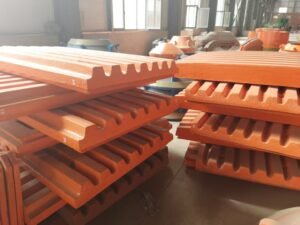
3. Inappropriate Liner Profile for the Application
Using the wrong liner profile is a common mistake, especially when replacing OEM parts with aftermarket liners.
Common mismatches:
Fine liners used in secondary crushing
Standard liners used for very hard or abrasive ores
High-profile liners in low-throughput applications
The liner profile must match:
Feed size
Reduction ratio
Desired product size
When profiles are mismatched, wear becomes concentrated and uneven.
4. Incorrect Liner Material Selection
High manganese steel liners perform best under proper impact loading. When impact is insufficient, liners may not work-harden correctly.
Practical implications:
Too little impact → soft surface, rapid abrasion
Excessive impact → cracking or spalling
In some applications, higher manganese or alloyed liners perform better, but material selection alone cannot compensate for poor operating conditions.
5. Poor Feed Gradation and Excessive Fines
Cone crushers are designed for a specific feed gradation. Excessive fines cause:
Reduced inter-particle crushing
Increased metal-to-rock contact
Accelerated abrasive wear
Instead of rock-on-rock crushing, liners are forced to handle direct abrasion, significantly reducing lifespan.
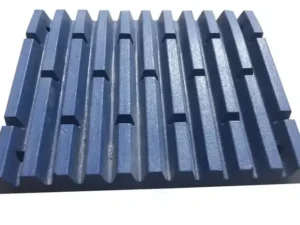
6. Improper Liner Installation and Tightening
Installation errors can reduce liner life before crushing even begins.
Common issues:
Incorrect torque on head nuts
Poor liner seating
Dirt or debris trapped behind liners
Loose liners move during operation, causing:
Fretting wear
Cracks at mounting points
Premature failure
7. Operating Outside the Recommended Speed Range
Operating speed directly affects liner wear.
Too slow → insufficient crushing action
Too fast → excessive impact and vibration
Both conditions increase liner wear and reduce liner stability.
8. Lack of Regular Wear Monitoring
Many operations run liners until severe damage occurs.
Without wear monitoring:
Uneven wear goes unnoticed
Liners are not rotated or replaced in time
Structural damage to crusher components may occur
Routine inspections allow operators to maximize liner usage without risking failure.
Conclusion
Short liner life in cone crushers is rarely caused by liner quality alone. In most cases, it is the result of uneven feeding, incorrect CSS, unsuitable liner profiles, poor feed gradation, or installation errors.
Addressing these real operational issues can significantly extend liner life, reduce downtime, and lower crushing cost perton.