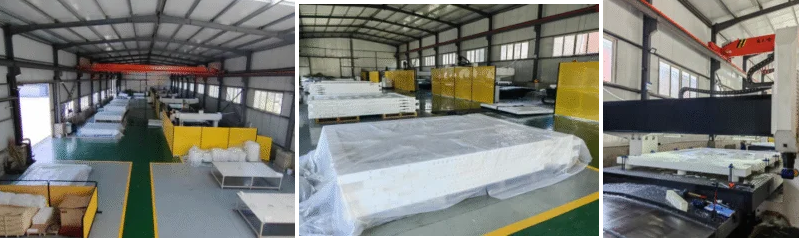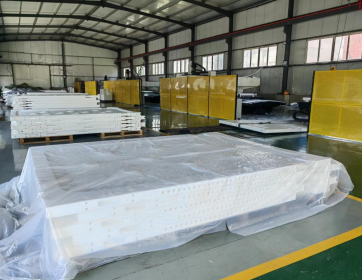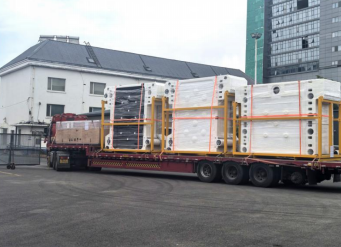
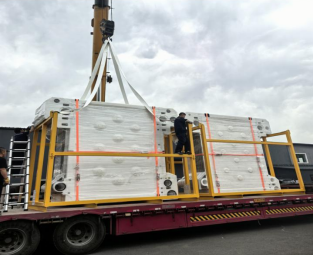
PP (polypropylene) filter plates are widely used in filtration systems across industries such as chemical processing, wastewater treatment, mining, pharmaceuticals, and food processing. While PP is known for its corrosion resistance, lightweight structure, and cost-effectiveness, the actual service life of a PP filter plate can vary significantly depending on operating conditions.
This article explores the five key factors that directly affect the lifespan of PP filter plates—and what operators can do to ensure long-term, reliable performance.
1. Operating Pressure
Filtration pressure is one of the most critical determinants of filter plate durability.
Excessive pressure can cause deformation, cracking, or warping.
Uneven pressure distribution may lead to localized stress points.
Frequent pressure spikes accelerate fatigue.
Tip: Always operate within the manufacturer’s recommended pressure range and use pressure-control devices to avoid sudden surges.
2. Temperature of the Filtration Medium
Polypropylene has a temperature limit (typically under 90–95°C for long-term use).
When temperatures exceed this range, plates may soften, deform, or lose structural strength.
Tip: For higher-temperature conditions, consider reinforced PP plates or alternative materials such as PVDF or stainless steel.
3. Chemical Compatibility
Although PP is chemically resistant, some solvents or aggressive chemicals can degrade it.
Long-term exposure may cause:
Surface cracking
Swelling
Reduced mechanical strength
Tip: Always confirm chemical compatibility before selecting PP filter plates for specialized chemical applications.
4. Mechanical Wear and Improper Handling
Common mechanical issues include:
Plate edges being damaged during installation
Impact from forklift or lifting hooks
Abrasive slurry eroding the filtration surface
Tip: Train staff on proper handling procedures and use protective bumpers or lifting tools designed for filter plates.
5. Cake Release and Cleaning Methods
Improper cleaning is a major cause of shortened filter-plate life.
Risky practices include:
Using metal tools to scrape cake
High-pressure water jets too close to the plate surface
Chemical cleaning agents that are incompatible with PP
Tip: Use soft tools, appropriate cleaning pressure, and neutral pH cleaning solutions whenever possible.
Conclusion
The lifespan of PP filter plates is directly influenced by pressure, temperature, chemical exposure, mechanical handling, and cleaning methods. By managing these factors properly, operators can significantly extend plate life, reduce maintenance costs, and improve filtration system stability.