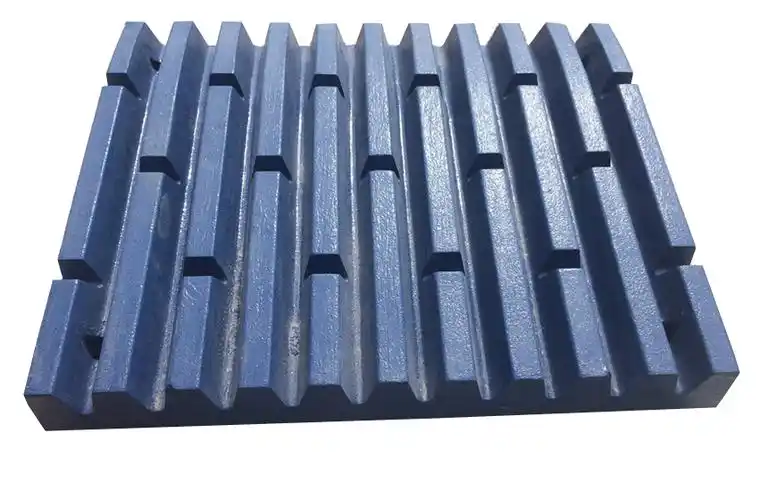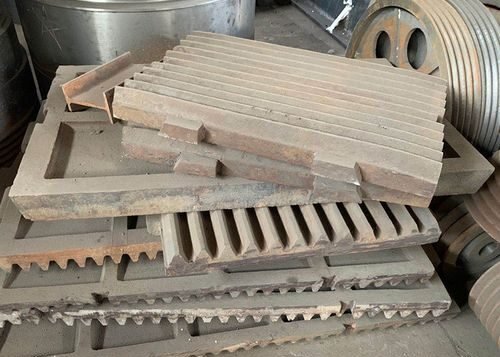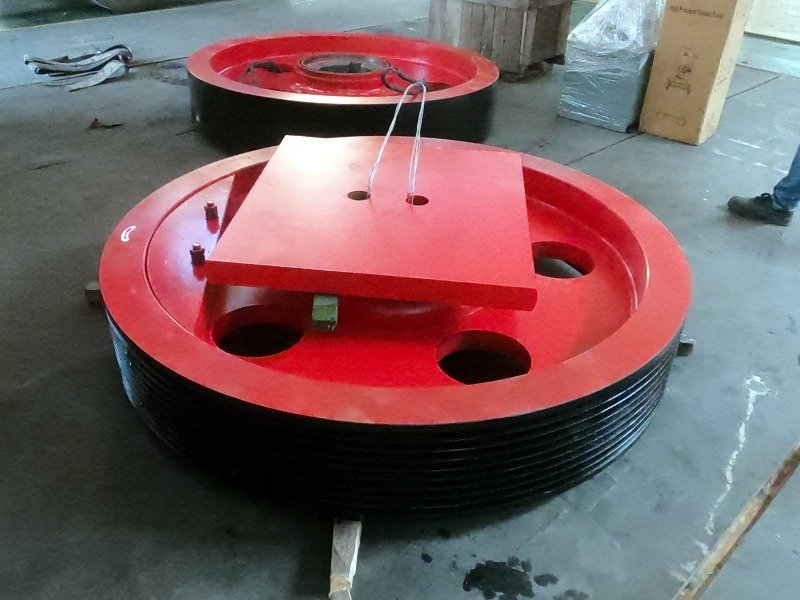
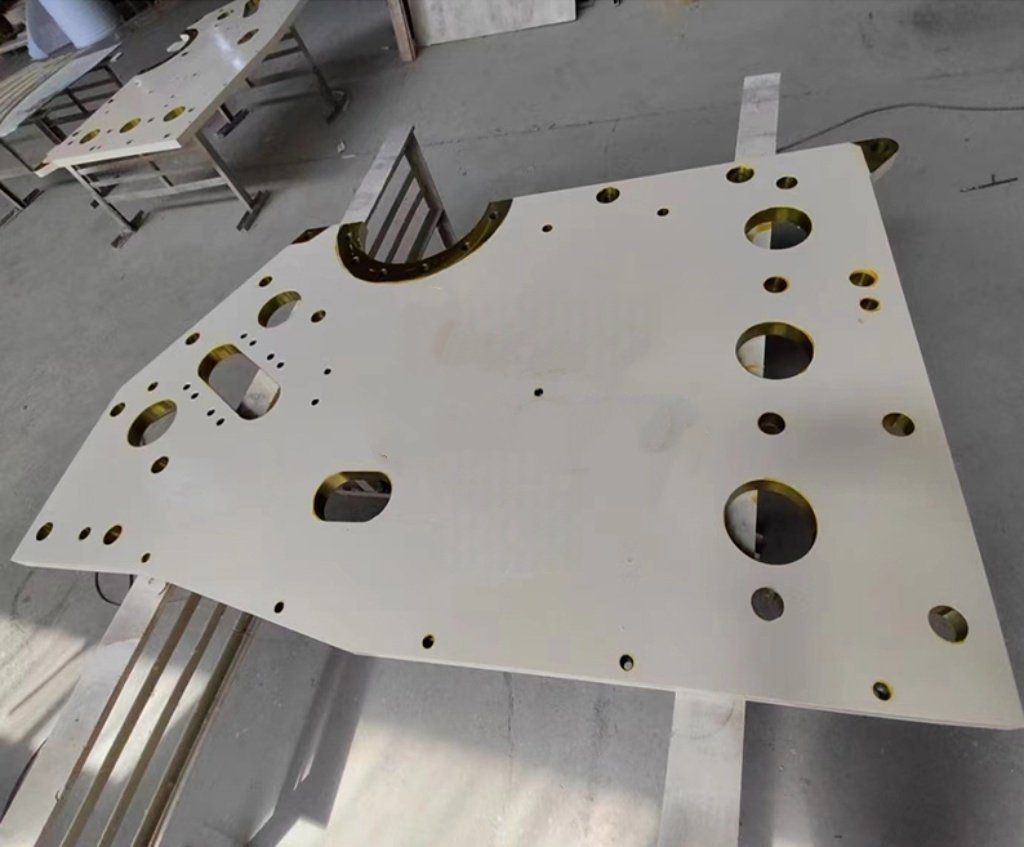
For many quarry, mining, and construction sites, the jaw crusher is the heart of the entire crushing line. When its spare parts start to wear out, production efficiency drops, operating costs rise, and unexpected downtime can follow. The good news is that your jaw crusher usually gives clear warning signs—if you know what to look for.
Below are the key indicators that your jaw crusher may be due for new spare parts.
1. Reduced Output or Unstable Production Capacity
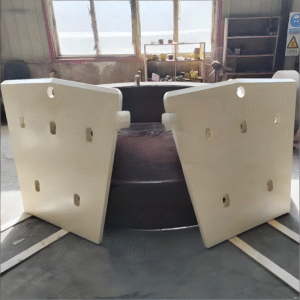
If your crusher is producing less material than usual, or its capacity fluctuates for no obvious reason, worn jaw plates or damaged bearings may be the root cause. As the jaw plates lose their profile, the crushing chamber becomes less efficient, reducing throughput.
What to check:
Compare current output to historical levels
Inspect jaw plate wear patterns
Listen for unusual noises during operation
2. Excessive Vibration or Abnormal Noise
A jaw crusher should run steadily. When vibration intensifies or irregular sounds appear, it’s often linked to worn bearings, faulty tightening wedges, or misaligned components.
Possible causes:
Loose or worn wedges
Damaged flywheel or belts
Bearing failure
3. Uneven or Accelerated Jaw Plate Wear
Jaw plates naturally wear over time, but if you notice accelerated or uneven wear, it may indicate:
Incorrect material feed size
Improper chamber selection
Poor-quality jaw plate material
If the wear exceeds recommended limits, replacement is necessary to protect the pitman and maintain crushing efficiency.
4. Increased Power Consumption
When the machine requires more energy to crush the same material, it’s a strong signal that critical parts—especially jaw plates and bearings—have deteriorated.
Symptoms include:
Higher motor load
Frequent overload alarms
Rising electricity bills
5. Material Blockages or Frequent Jamming
If blockages are happening more often, it could indicate your jaw plates have become too smooth or the discharge opening is not performing as designed due to worn parts.
Check for:
Smoothing of crushing surfaces
Reduced nip angle from worn plates
6. Excessive Dust Leakage
Worn seals and damaged protective parts can cause dust to escape from areas that should stay sealed. This can damage the crusher over time and affect surrounding equipment.
7. Visible Cracks or Deformation on Structural Parts
If you notice cracks on the toggle plate, pitman, or frame fastening areas, stop the machine immediately. These components are critical for safety.
When in Doubt, Inspect Regularly
A routine inspection schedule can prevent most failures. Many operators follow:
Daily: Basic visual checks
Weekly: Lubrication and tension checks
Monthly: Jaw plate, bearings, and toggle inspection
Quarterly: Detailed technical inspection