Selecting the right aggregate crusher is one of the most important decisions for any quarry, mining operation, or construction material producer. The right machine can boost capacity, improve product quality, reduce downtime, and significantly lower operating costs. The wrong machine, however, can lead to poor productivity, excessive wear, and expensive maintenance.
This buyer-focused guide explains the key factors you must consider before choosing an aggregate crusher for your production requirements.
1. Identify the Material You Need to Process
Rock hardness (soft, medium, or hard)
Abrasiveness
Moisture content
Maximum feed size
Recommended matches:
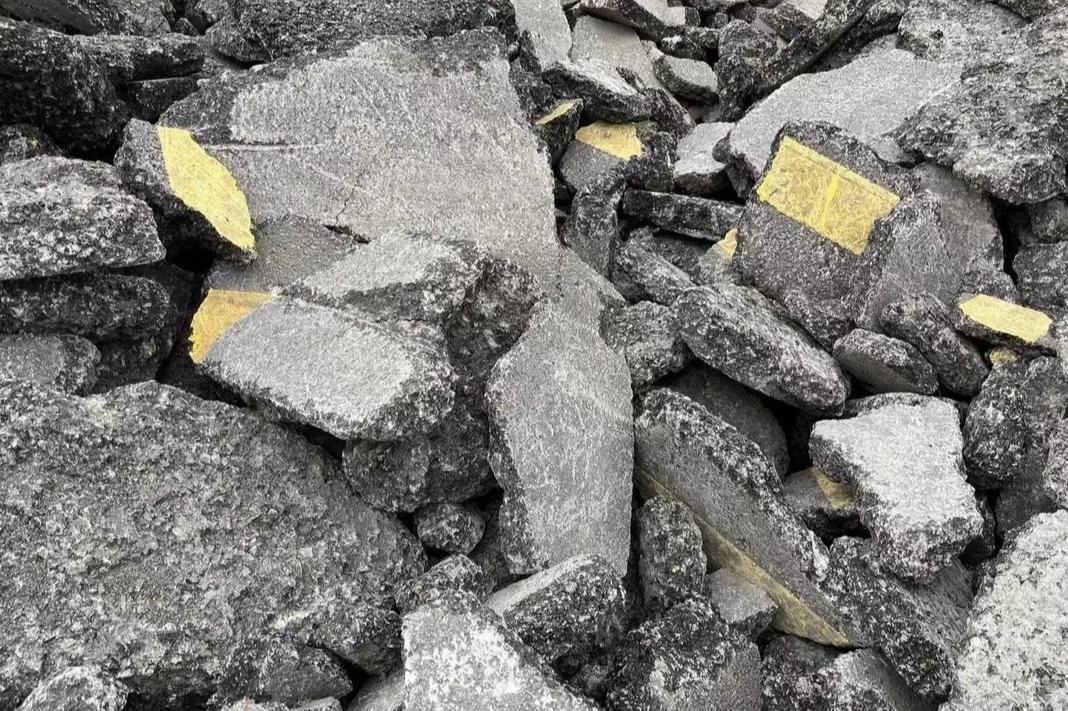
Hard rock (granite, basalt): Jaw Crusher + Cone Crusher
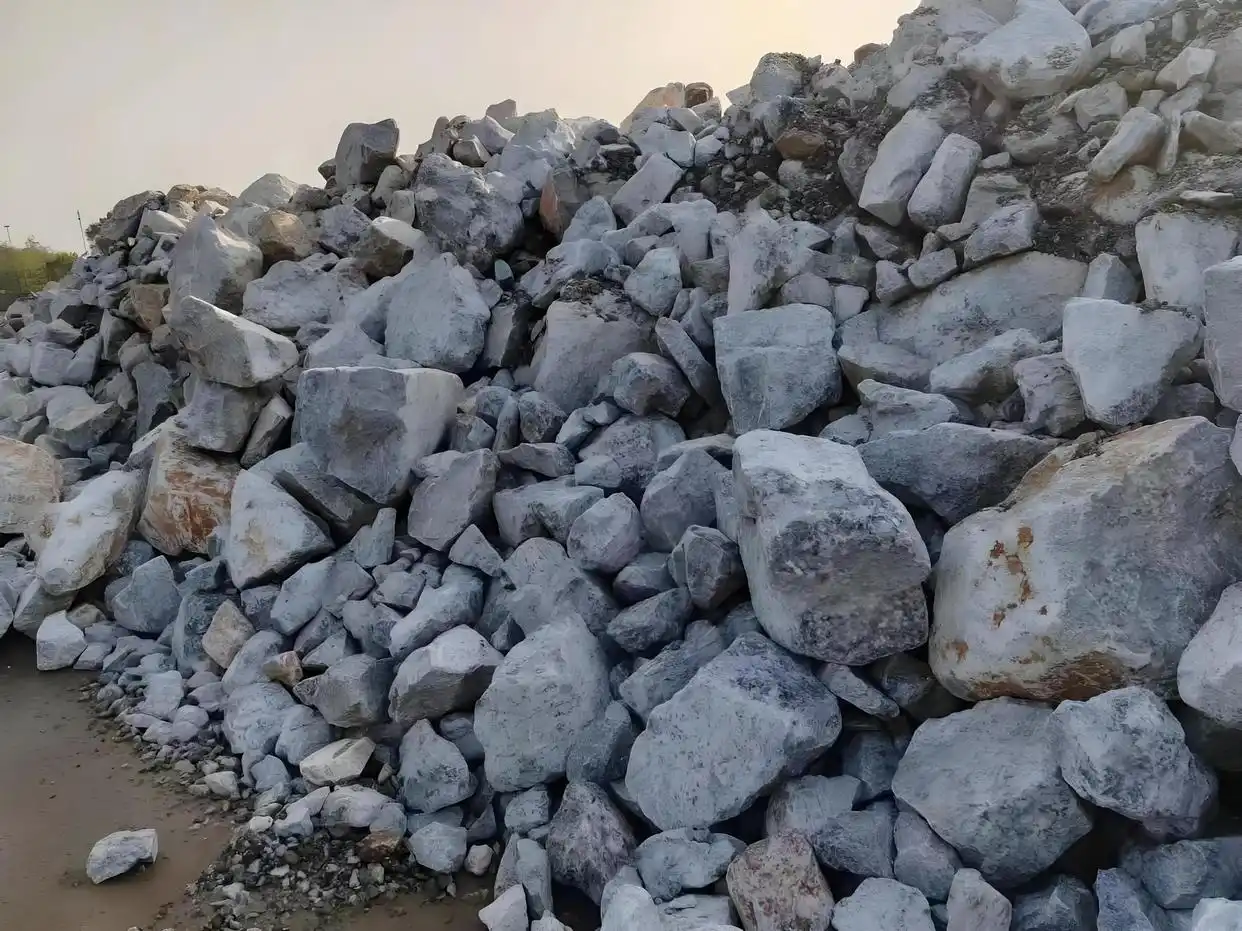
Medium hardness (limestone, dolomite): Jaw Crusher + Impact Crusher
Soft & brittle materials: Impact Crusher
Recycling / concrete waste: Impact Crusher or Mobile Crusher
2. Define Your Desired Output Size and Shape
Need high-quality cubic shape for concrete or asphalt? → Impact Crusher / VSI
Need coarse aggregates for base layers? → Jaw Crusher
Need fine aggregates / sand? → VSI or cone crusher with fine cavity
Clearly defining your product requirements avoids unnecessary equipment upgrades later.
3. Match the Crusher to Your Required Capacity
A machine’s throughput must match your production goals.
Typical capacity ranges:
50–150 t/h → small projects or limited budgets
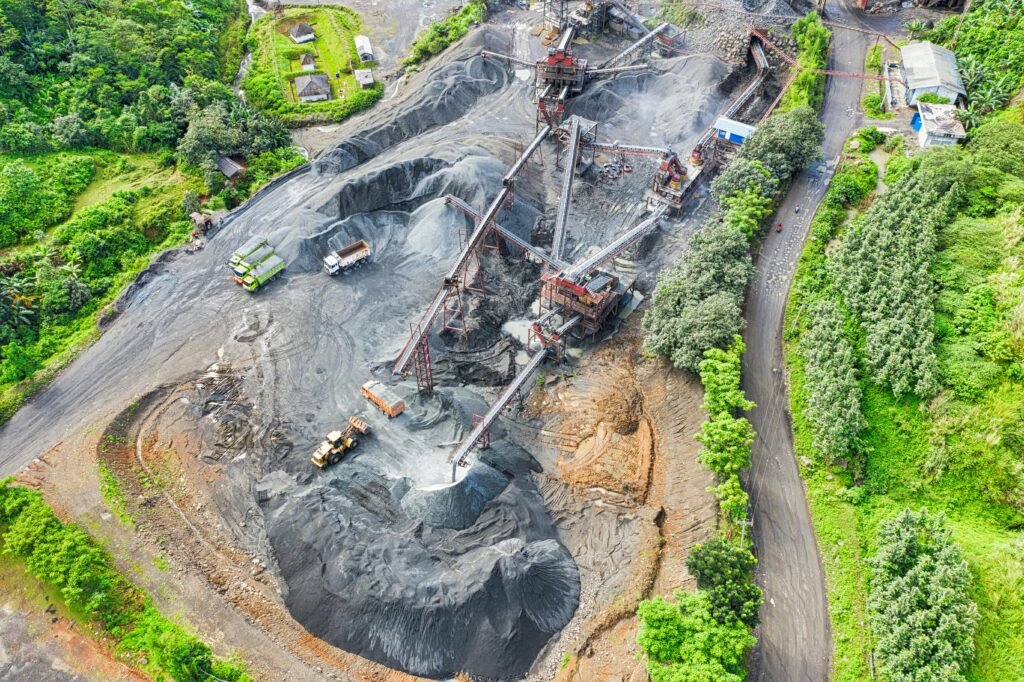
150–400 t/h → mid-size quarries
400–1000+ t/h → large mining or commercial aggregate plants
Important:
Choose a crusher with 20–30% more capacity than your target output to allow for material hardness changes, wear, and peak loads.
4. Decide Between Mobile and Stationary Solutions
Best for: multiple job sites, short-term projects, recycling
Advantages: flexible, fast setup, lower civil work
Trade-off: usually lower capacity than stationary lines
Stationary Crusher
Best for: long-term quarry operations, high-volume production
Advantages: higher capacity, greater stability, lower cost per ton
Trade-off: requires foundation and installation time
5. Evaluate Crusher Types Based on Application
Jaw Crusher – Primary Crushing
Large feed size
Simple structure
Ideal for hard rock
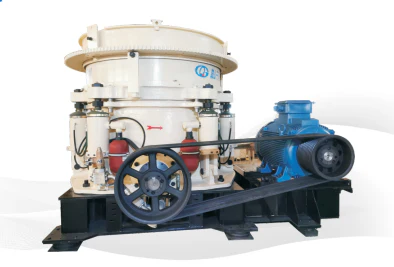
Cone Crusher – Secondary / Tertiary Crushing
High output & stable performance
Excellent for hard, abrasive materials
Impact Crusher – Shaping & Medium Crushing
Superior cubic shape
Ideal for limestone and recycling
VSI Crusher – Sand Making / Fine Crushing
Best for fine aggregates
Produces premium cubic sand
6. Look at Operating Costs, Not Just Purchase Price
Key cost factors:
Wear parts (jaw plates, blow bars, liners)
Maintenance frequency
Fuel / power consumption
Downtime from repairs
Availability of replacement parts
Sometimes paying more upfront saves much more in the long run.
7. Check After-Sales Support and Spare Part Availability
Strong manufacturer support helps prevent:
Long downtime
Costly delays
Productivity loss
When comparing suppliers, evaluate:
Availability of local service teams
Delivery time for wear parts
Warranty terms
Technical support & training
Installation guidance
A reliable supplier reduces risk and improves ROI.
8. Consider Your Future Expansion Plans
Before purchasing, think 2–5 years ahead:
Will your production capacity increase?
Will you process different materials?
Do you need more automation?
Choosing scalable equipment avoids future reinvestment and ensures long-term operational stability.
Conclusion: Make a Data-Driven Buying Decision
Selecting the right aggregate crusher is a strategic investment. By evaluating material properties, capacity needs, product specifications, lifecycle costs, and supplier reliability, you can choose equipment that boosts productivity and delivers the best return on investment.