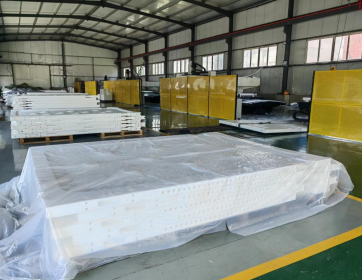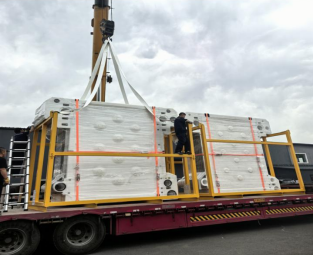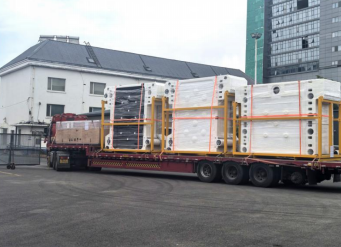
Filter press plates are core components of a filter press system and play a critical role in solid-liquid separation. They are widely used in mining, metallurgy, chemical processing, wastewater treatment, and other industrial applications.
However, many users encounter problems during operation due to improper plate selection, material mismatch, or poor maintenance.
This article outlines the most common filter press plate problems and provides a practical guide to selecting the right filter press plate for your application.
1. Common Problems of Filter Press Plates
1.1 Plate Cracking or Breakage
Cracked or broken filter press plates are one of the most frequent issues in industrial filtration systems. Common causes include:
Excessive feeding pressure
Uneven pressure distribution
Improper tightening of the filter press
Low-quality plate materials
In mining and metallurgical applications, slurry often contains abrasive particles, which can accelerate structural fatigue if the plate material is not suitable.
1.2 Filtrate Leakage Between Plates
Leakage usually occurs when the sealing surface is damaged or worn. Typical reasons include:
Aging or deformation of plate sealing edges
Improper plate alignment
Incompatible filter cloth installation
Chemical corrosion on plate surfaces
Leakage not only reduces filtration efficiency but also increases material loss and operating costs.
1.3 Reduced Filtration Efficiency
If the filtration cycle becomes longer or the cake moisture increases, it may indicate problems such as:
Blocked drainage channels
Incorrect plate structure design
Incompatible filter cloth selection
Plate surface contamination
In high-solid-content slurry, selecting the wrong plate type can significantly impact productivity.
1.4 Chemical Corrosion or Plate Deformation
In chemical and metallurgical industries, certain slurries contain acidic or alkaline substances. If the plate material lacks sufficient chemical resistance, it may result in:
Plate swelling or deformation
Surface erosion
Reduced service life
This issue is common when standard plates are used in aggressive chemical environments.
2. How to Choose the Right Filter Press Plate
Selecting the correct filter press plate can effectively reduce downtime and maintenance costs. Below are key factors to consider.
2.1 Plate Material Selection
Different materials are suitable for different working conditions:
Polypropylene (PP): Lightweight, corrosion-resistant, widely used in mining and wastewater treatment
Reinforced PP plates: Higher pressure resistance, suitable for high-capacity filtration
Cast iron plates: High mechanical strength, used in special high-pressure applications
For most mining and metallurgical projects, reinforced polypropylene filter press plates offer an ideal balance between durability and cost.
2.2 Plate Structure and Design
Common plate designs include:
Chamber filter plates – suitable for general filtration
Membrane filter plates – enable secondary squeezing for lower cake moisture
Recessed filter plates – widely used for mineral processing slurries
The correct structure depends on filtration precision, moisture requirements, and operating pressure.
2.3 Working Pressure and Temperature
Always confirm:
Maximum operating pressure of the filter press
Slurry temperature during operation
Using plates beyond their rated pressure or temperature limits can significantly shorten service life.
2.4 Compatibility with Existing Equipment
When replacing filter press plates, ensure:
Plate dimensions match existing equipment
Feed hole and drainage design are consistent
Filter cloth installation method is compatible
Metalore provides customized filter press plates compatible with major global filter press brands.
3. Maintenance Tips to Extend Plate Life
Clean plates regularly to prevent clogging
Avoid sudden pressure increases during feeding
Inspect sealing surfaces periodically
Replace damaged filter cloths in time
Proper maintenance can extend the service life of filter press plates by 30–50%.

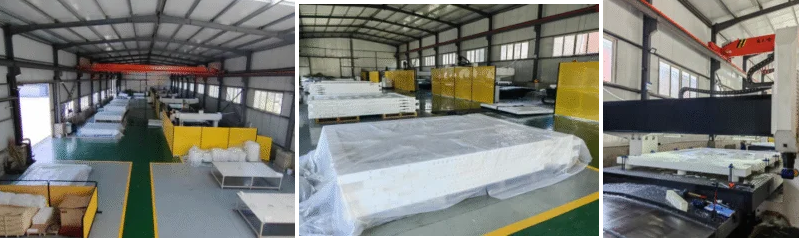
4. Why Choose Metalore Filter Press Plates
Metalore specializes in supplying high-quality filter press plates for mining and metallurgical industries. Our products offer:
High pressure resistance
Excellent chemical corrosion resistance
OEM-compatible dimensions
Stable performance and long service life
Whether you need standard replacement plates or customized solutions, Metalore provides reliable filtration components from a trusted Chinese manufacturer.
Understanding common filter press plate problems and choosing the right plate material and design can significantly improve filtration efficiency and reduce operational risks.
If you are looking for durable and cost-effective filter press plates for mining or metallurgical applications, Metalore is ready to support your project.