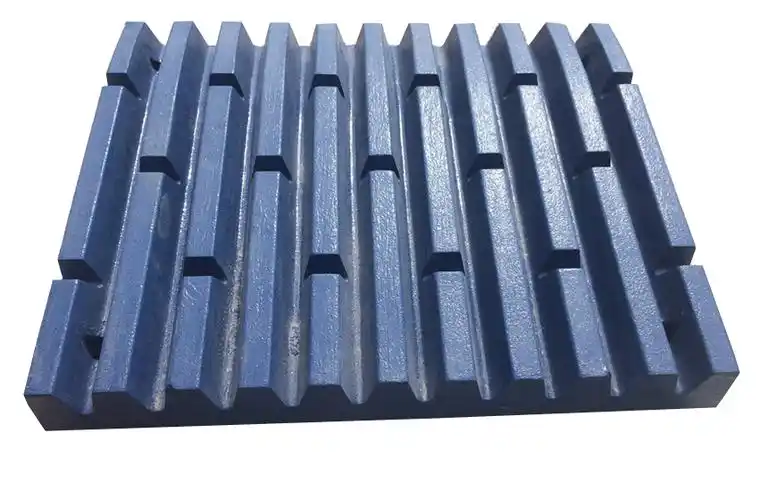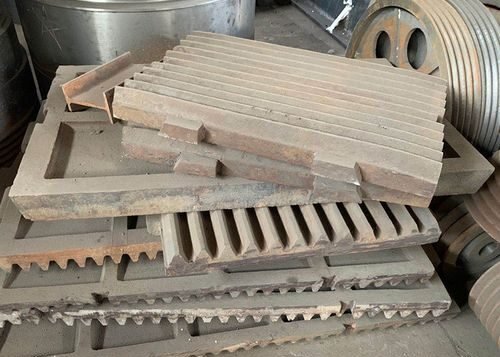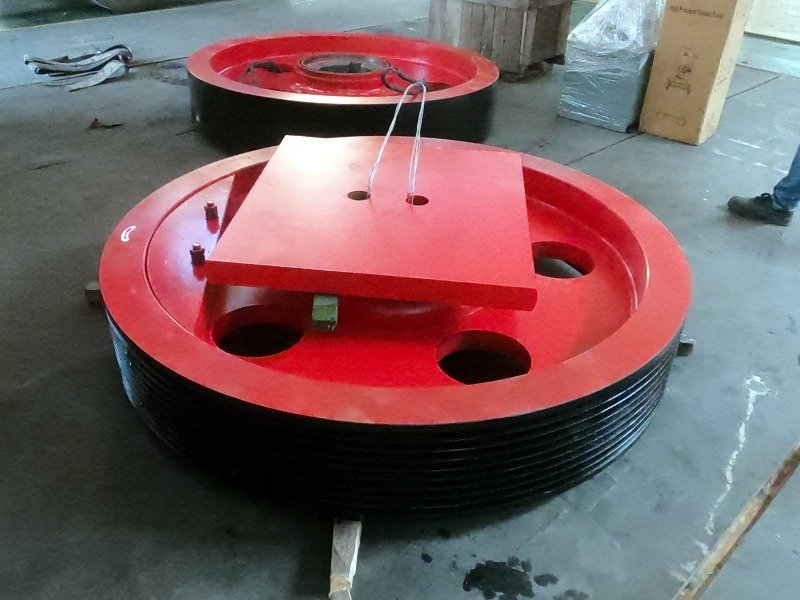
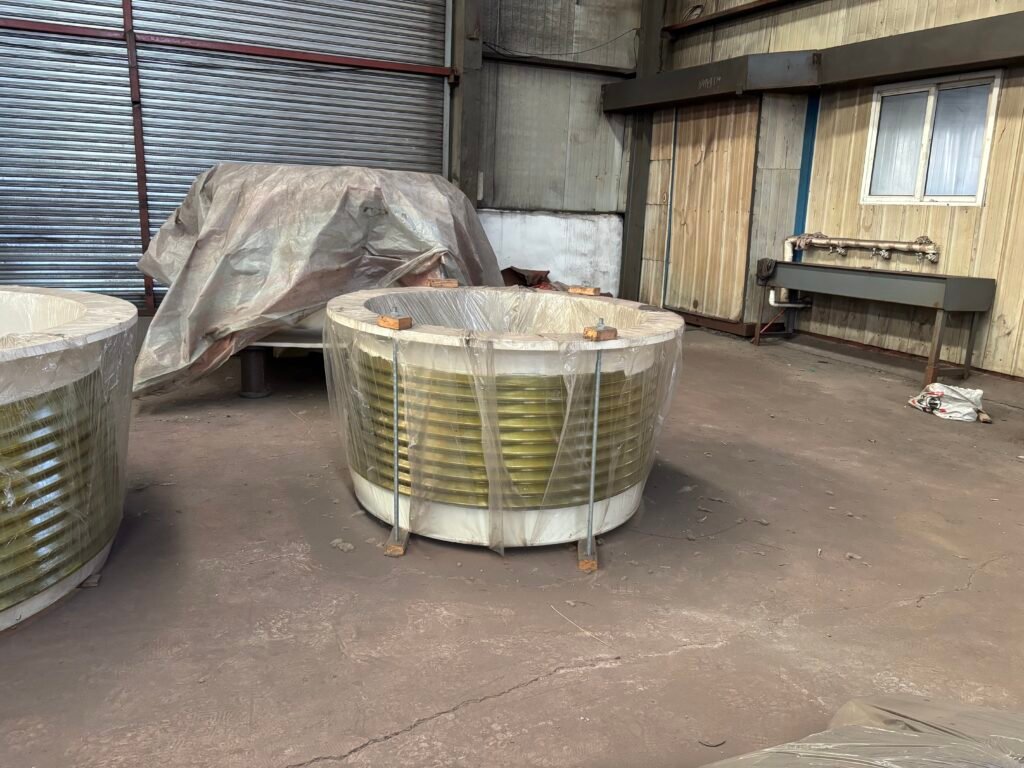
In many mining and aggregate operations, cone crushers run under extremely harsh working conditions—high abrasion, heavy impact, fluctuating feed size, and tough ore hardness. As a result, wear parts such as mantles, bowl liners, and concaves often fail earlier than expected, leading to unplanned downtime and high maintenance costs.
Extending wear part lifetime is not only a cost-saving strategy—it also improves production stability and equipment reliability. Below are the key factors influencing wear life and the most effective strategies to maximize performance.
1. Start With the Right Material Selection
Choosing the correct wear material is the foundation of longer part life.
Common Material Options
High Manganese Steel (Mn13, Mn18, Mn22)
Excellent work-hardening properties; suitable for impact-rich applications.Modified Manganese / Alloyed Manganese
Increased toughness for hard and abrasive ores.Chrome-Moly Alloy Steel
Higher hardness for extremely abrasive conditions.TIC (Titanium Carbide) Inserts
Dramatically improves resistance against high-stress point wear.
Tip:
If your site handles very hard ore (e.g., > 250 MPa), upgrading from Mn18 to Mn22 or Mn18Cr2 + TIC inserts usually increases lifetime by 30–80%.
2. Ensure Stable and Controlled Feeding
Best Practices
✔ Maintain even, continuous feed
✔ Avoid oversized rocks
✔ Prevent segregation (fines + coarse separation)
✔ Use a vibrating feeder with adjustable speed
✔ Keep the chamber choke-fed for optimal rock-on-rock crushing
Why this matters:
Uneven feeding causes localized wear spots, reducing liner life dramatically—sometimes by 40–60%.
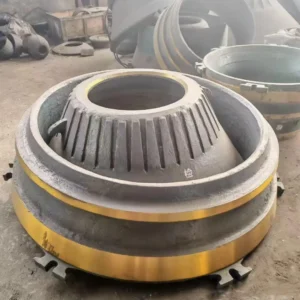
3. Optimize Crushing Parameters
Crusher settings directly influence wear behavior.
Key Parameters
CSS (Closed Side Setting)
Too small → excessive pressure → rapid wear.Crusher Speed
Higher speed increases throughput but accelerates wear.Liner Profile Selection
Using the wrong profile causes premature wear and poor particle shape.
Recommendation:
Regularly monitor CSS and load levels through automation or manual inspection. Small adjustments often lead to big improvements in part life.
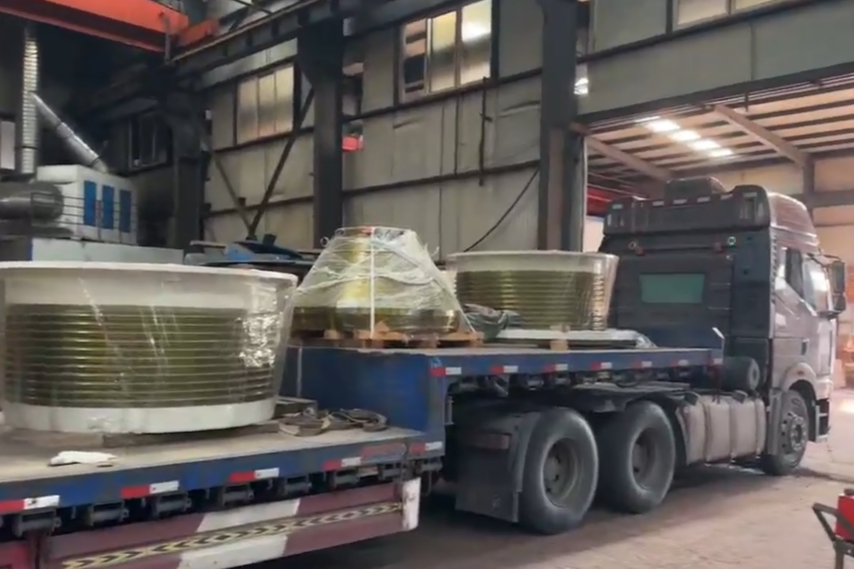
4. Improve Heat Treatment and Casting Quality
Wear life is heavily influenced by the manufacturing process.
Quality Factors to Look For
Uniform heat treatment (quenching + tempering)
Fine-grain structure
Minimal casting defects (holes, shrinkage, inclusions)
Correct hardness distribution across the liner
Ultrasonic testing (UT) for internal integrity
Many failures occur not because of the material grade, but because of inconsistent heat treatment.
A well-treated Mn18 liner can outperform a poorly-treated Mn22 liner.
5. Regular Monitoring and Planned Replacement
Waiting for catastrophic failure is the fastest way to reduce crushing efficiency.
Monitoring Tips
Measure liner thickness weekly
Check cavity level and wear patterns
Track production data (kWh/ton, throughput)
Inspect tramp release events
Replace liners before they deform the chamber
Scheduled replacement avoids oversized wear areas that damage the main frame and head.
6. Case Study: Wear Life Increased From 320 → 480 Hours
In a recent mining project, the site faced accelerated wear when processing hard quartzite ore.
Issues Identified
Highly abrasive rock
Unstable feeding
Incorrect liner material
Solutions Implemented
✔ Upgraded material from Mn18 to Mn18Cr2 + TIC
✔ Improved feed uniformity
✔ Adjusted CSS to stabilize pressure
Results
Wear part lifetime increased from 320 hours to 480 hours (+50%)
Energy consumption per ton reduced 12%
Downtime reduced 25%
Conclusion
Extending cone crusher wear part lifetime is achievable with a systematic approach:
✔ Choose the right material
✔ Maintain proper feeding
✔ Optimize crusher parameters
✔ Ensure high-quality casting and heat treatment
✔ Monitor wear proactively
These improvements lead directly to longer part life, reduced operational costs, and more stable production.