
1. Understanding Why Production Drops
For sand and gravel operations, the jaw crusher is the backbone of the crushing line. Even small issues in the machine can lead to significant drops in production. Common causes include:
Worn or uneven jaw plates reducing crushing efficiency
Protective liners or plates deteriorating, causing excessive wear on the frame
Bearings, shafts, and pitman components losing stability, increasing vibration
Blockages and jams caused by improper feed or worn components
When these issues persist, your production may be below target despite consistent raw material supply. Recognizing early signs of wear is critical to keeping output stable and minimizing costly downtime.
2. Key Jaw Crusher Spare Parts That Affect Production
Knowing which components to monitor can save time and money. Here are the most critical parts:
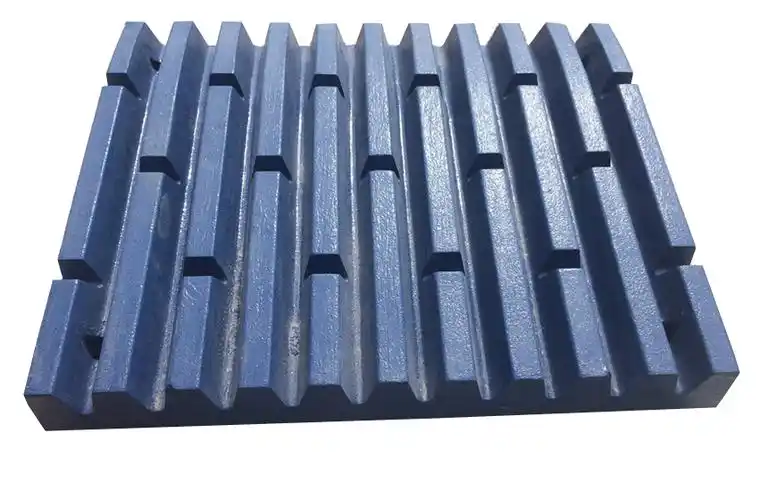
2.1 Jaw Plates (Movable & Fixed)
Role: Jaw plates perform the actual crushing, so their condition directly affects throughput and output size.
Signs of Wear:
Uneven surface or severe grooves
Crushing chamber appearing larger than usual
Increased return material
Tip: Always measure jaw plate thickness periodically. Replace plates before they wear beyond recommended limits to prevent damage to pitman and frame.
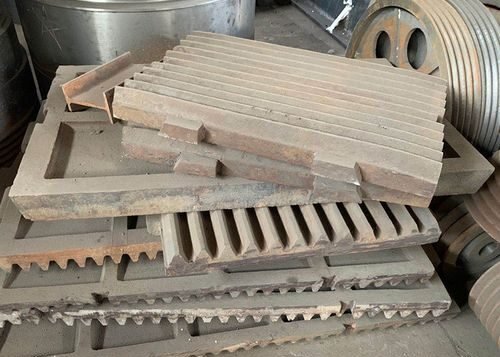
2.2 Liners / Protective Plates
Role: Protect the machine body from direct wear caused by crushing hard materials.
Signs of Wear:
Scratches, cracks, or deep grooves on liners
Uneven contact with jaw plates
Tip: Use high-quality, wear-resistant liners suitable for your material type. Rotating liners can extend life.
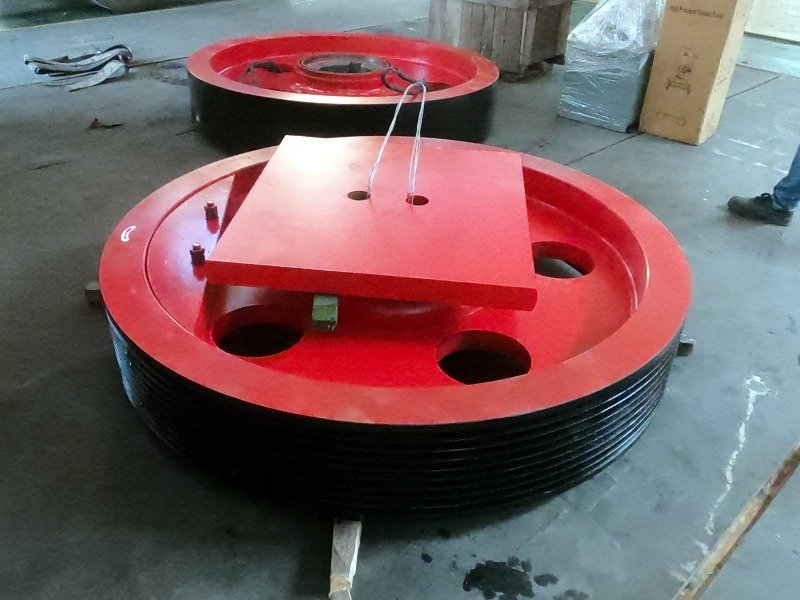
2.3 Eccentric Shaft & Pitman
Role: Transfer power from the motor to the jaw plates, maintaining smooth crushing motion.
Signs of Wear:
Increased vibration or shaking
Unusual knocking sounds during operation
Tip: Lubricate shafts and bearings according to the manufacturer’s schedule. Replace worn pitman components promptly.
2.4 Bearings & Seals
Role: Support moving parts and ensure smooth rotation.
Signs of Wear:
Overheating or unusual noises
Oil leakage from seals
Tip: Regularly inspect and replace bearings and seals. Failure here can lead to serious machine breakdown.
3. How to Inspect Spare Parts Effectively
Routine inspections are essential. Consider the following schedule:
Daily: Visual checks, listen for unusual sounds, monitor production rates
Weekly: Check lubrication, belt tension, and minor wear signs
Monthly: Measure jaw plate thickness, liner wear, and inspect bearings
Quarterly: Conduct detailed technical inspection of pitman, eccentric shaft, and frame alignment
Pro Tip: Keep a maintenance log. Tracking wear over time helps predict part replacement before serious problems occur.
4. Common Production Issues Caused by Worn Parts
Reduced Throughput: Jaw plates and liners that are worn or uneven reduce the crushing efficiency, lowering t/h output.
Blockages and Jamming: Misaligned or worn components cause material to jam, forcing shutdowns.
Inconsistent Product Size: Worn plates and liners can produce irregular output, leading to excessive return material.
Increased Energy Consumption: The crusher works harder to achieve the same output, increasing operational costs.
5. Benefits of Timely Spare Part Replacement
Replacing spare parts before total failure provides several advantages:
Restores optimal crushing efficiency, improving t/h production
Reduces unplanned downtime and costly emergency repairs
Prolongs overall equipment lifespan
Maintains consistent product size and quality for end customers
In short, preventive replacement is much cheaper than reactive repair.
6. Selecting Quality Replacement Parts
Always choose materials compatible with your jaw crusher and the type of stone being processed
High manganese steel or alloy steel plates often provide longer service life
Avoid cutting costs on bearings and seals—quality parts reduce frequent maintenance and improve reliability
7. Real-World Tip from the Field
Operators often underestimate the impact of small wear items, like wedges or guard plates. A single worn wedge can cause jaw misalignment, uneven crushing, and premature jaw plate failure. Regular minor inspections can prevent major downtime.
8. Conclusion
If your sand and gravel production is lower than expected, worn jaw crusher spare parts are often the root cause. By routinely checking and replacing jaw plates, liners, bearings, and other key components, you can:
Boost production efficiency
Reduce downtime
Ensure consistent product quality
Extend the life of your equipment
Monitoring your jaw crusher closely is not just maintenance—it’s a production strategy.